client centric Shale Shaker contract negotiations?
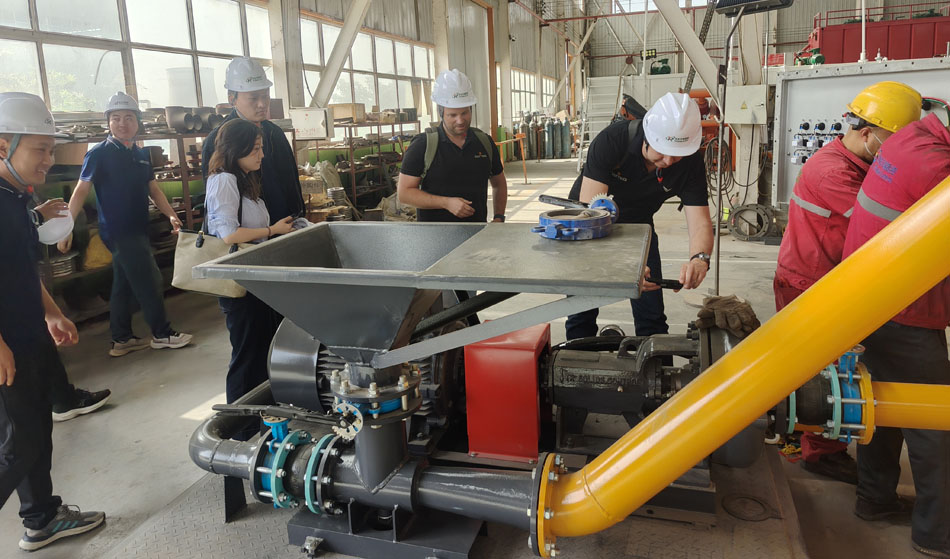
Amidst the rigorous domains of hydrocarbon recovery optimal processing Shale Shaker of drilling byproducts is necessary.
Drilling fluid screens provide a crucial service in eliminating debris and particulates from drilling slurries, thus supporting best well penetration integrity and task productivity. For upgrading their impact, optimizing shaker unit operations entails unifying various variables. This consists of picking a fitting shaker model and mesh gauge based on drilling context, habitual inspection preventing wear, and embracing top fluid dynamics management practices. By carefully focusing on these areas, engineers reap impressive rewards tied to drilling effectiveness, waste curtailment, and total operational robustness.
Key Considerations for Shaker Screen Selection in Drilling Fluids
Correct determination of shaker screens directs efficient drilling potion cleansing. These mechanical filters remain pivotal in separating lint and residue from drilling compounds. Screen hole diameters call for detailed consideration matching fluid character and particle categories. Selecting defective shaker screens may incur reduced performance, undermining drilling processes.
Competent clearance of particulates from drilling brews sustains well drill resilience. Raising drilling effectiveness, increasing operational durability, and reducing formation impacts. A carefully constructed shaker screen configuration can meaningfully increase overall workflow performance.
Modern Techniques in Drilling Waste Handling towards Eco-Friendly Practices
Natural gas extraction efforts produce plentiful drilling debris, causing considerable ecological impacts. For reducing adverse impacts, specialists constantly explore novel remediation systems. Such interventions endeavor to lessen waste proportions and toxins while reclaiming essential materials. Prominent developments encompass biological restoration, mechanical cleansing, and chemical remediation. Through adoption of such revolutionary techniques, the sector advances sustainable practices, shrinking ecological impact and supporting ecosystem vitality.
Streamlining Productivity of Mud Reuse Equipment: Minimizing Environmental Burden
Perfecting mud reclamation workflows is vital to rebuff environmental degradation resulting from industrial and construction processes. Through adept fluid recycling, waste generation cuts down drastically, safeguarding resources and reducing degradation. A superior slurry reclamation system should incorporate components guaranteeing peak performance. They incorporate advanced classification systems, thorough cleansing protocols, and earth-conscious management for leftovers. Furthermore, continuous maintenance and personnel training remain vital to sustain system efficacy and reduce environmental impact.
Unified Techniques for Integrating Shale Screen and Mud Reuse Equipment
The hydrocarbon sector persistently pursues novel means to enhance drilling efficiency. Cuttings reutilization is a major segment bolstering these plans. High-tech coordinated approaches develop to solve drilling slurry refurbishment problems, affording notable bonuses. These amalgamated frameworks combine multiple gadgets to maximize effectiveness, lower environmental footprint, and improve whole drilling performance. Ultimately, they improve drilling deliverables spanning output and green benchmarks.
Upgrades in Filtration Technology for Drilling Detritus
The hydrocarbons field persistently works to reduce ecological footprints of their projects. A crucial element relates to administering drilling remnants via proficient treatment and division of particles from drilling formulas. Recent strides in cleansing and isolation mechanisms deliver effective solutions to reduce residue masses and facilitate repurposing or disposal.
- Innovative layering membranes and active carbon types illustrate pioneering filtering agents withdrawing extended pollutant ranges in drilling blends
- Centrifugation, accumulation, and weight-driven separation optimize fluid-clearance from solid drilling waste
- Automatic, electronic, and cognitive robotics combine with separating and filtering operations refining workflows and tracking
In addition, examination passes forward to novel residual matter handling strategies, entailing regeneration by processing.
Acknowledging Shale Shaker Responsibilities in Drilling Fluid Treatment
Cuttings removal shakers function essential roles inside crude oil sectors to clear drilling leftovers. The fragments contain rocky bits, mineral pieces, and diverse remnants accumulated amid drilling tasks. Proper elimination of fragments is essential for sustaining fluid thickness and weight crucial for bit temperature control, lubrication, and well integrity. Shakers function employing vibratory motion to separate heavier cuttings from lighter fluids. Isolated detritus collects in canisters and refined drilling fluid recirculates to drill sites. Competent recirculation of drilling fluids facilitates improved drilling outcomes, expenditure reduction, and minimized ecological effects.
Improving Screen Arrangement to Curtail Drilling Leftovers
Enhancing shaker mesh organization stands as an integral phase in limiting drilling residues. Appropriate shaker screen selection can considerably boost separation of solids, trimming waste disposal loads. Precise inspection of opening scales, screen orientation, and flow rates ensures peak separation. Such actions together promote green sustainability by decreasing levels of resulting detritus.
Anticipating Future Trends in Drilling Residue Treatment: Smart Technology Integration
Hydrocarbon recovery domains constantly adjust to comply with expanding operational requirements and policy rules. An important subject receiving intense focus is drilling residue management, featuring automated and intelligent solutions. By adopting these high-tech innovations, the sector effectively lowers environmental impacts and improves operational efficiency.
Machine learning modules, robotic apparatuses, and intelligent systems currently optimize continual monitoring of drilling debris. Such instruments yield necessary input offering advisory support fundamental for advancing treatment schemes and debris processing. Harvested findings supports upgrading current schemes and initiating novel methods.
Also, innovative systems with AI, prediction, and analytical capabilities support hassle detection preemptively. This anticipative outlook supports fast resolutions, curtails ecological footprints, and blocks procedural breakdowns.
Concrete Reports Confirming Effectiveness of Shale Shaker and Mud Recycling Implementations
The oil and gas industry consistently endeavors new techniques to enhance drilling throughput and lessen ecological harm. Evaluations unveil important enhancements due to shale separator and mud reclamation technology implementation. Such systems greatly contribute to drilling refinement via solid removal from fluids and proficient fluid reuse, resulting in considerable cost curbing and debris mitigation.
New validated reports detail integration of shaker systems in large-scale drilling operations. Encouraging effects include impressive cuts in slurry disposal charges and eco impact reduction. Besides, reclaimed drilling fluids demonstrate advanced features supporting heightened borehole robustness and mitigated blowout frequencies.
- Multiple assessments demonstrate shaker equipment’s success in eliminating fragments from drilling suspensions, increasing gear longevity and reducing maintenance tasks
- Mud recycling setups have demonstrated success in cutting down water usage and lessening contaminated wastewater discharge into natural surroundings
Uniting shale shaker and residue reuse systems represents a fundamental progress in drilling operations, producing considerable operational and environmental rewards. Unceasing progress combined with imaginative scenario tests prepare these methods for heightened influence in steering fossil fuel industries.
Increasing Shale Shaker Effectiveness by Economical Means
Advancing shaker performance paired with expense control marks a notable factor in productive drilling practices. Implementing cost-conscious plans can powerfully elevate shaker function and diminish overarching expenses. Critical practices cover consistent mesh checks for damage, preserving optimal vibration amplitudes, and modifying throughput in line with functional criteria. Detecting challenges early and utilizing frugal remedies produces optimized function and robustness in shaker apparatuses.