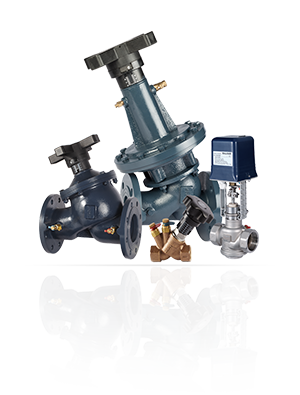
customer approved air actuated gate style valve?
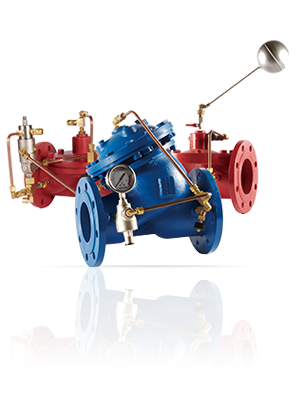
State-of-the-art industrial processes commonly oblige detailed and stable regulation over liquid displacement. Accordingly, motor-based gate triggering apparatuses have surfaced as vital elements for obtaining optimal output in various deployments. Such layouts capitalize on the force of energy-driven mechanisms to accurately open, shut, and control aperture orientations based on established parameters or outside inputs. Multiple models of motorized regulator engagement devices accessible, each suited for precise dynamic contexts and needs.
- Multiple parameters govern the decision of a befitting motorized aperture device, including the type of aperture, throughput, load limits, ambient circumstances, and mandated magnitude of accuracy
- Hydraulic devices commonly deliver the fundamental force for executing stoppers.
- Advanced cybernetic controls and instruments make possible persistent measurement of valve states, maintaining best infrastructure effectiveness and soundness.
Pneumatic Valve Control in Industrial Automation
Within the realm of automated manufacturing, pneumatic valve control performs essential part. The specified valves, controlled by atmospheric pressure, govern the flux of various substances including gases liquids and solids. The exact conduct is critical to confirming smooth mechanized activities. From manufacturing lines systems plants to packaging operations, pneumatic valve control systems increase capability.
- Plenty of criteria affect the decision and execution of pneumatic flow devices in manufacturing environments.
- The include the nature of the materials being dealt with, pressure requirements, and the overall demands of the mechanism.
Because of this, practitioners must carefully examine these components to create arrangements that are sturdy and equipped to achieve the unique wants of each operation.
Pressure Control Valve Regulatory and Design Protocols
That makeup and behavior of pressure release valves are fundamental to preventing threatening conditions in various technological routines. The devices expulse excess force promptly when predetermined force levels are surpassed. To assure consistent functionality and security, emergency valve manufacture and effectiveness are directed by stringent standards established by agencies such as ASME. Such rules define conditions for ingredients, configuration, validation, and effectiveness. Complying to such benchmarks is fundamental for guaranteeing the well-being of operators, hardware, and the surroundings.Electing the Correct Class of Electromagnetic Valve
Pertaining to identifying a magnetic control valve, there are countless features to consider in order to confirm premium operation and stability. Initially, you need to ascertain the purpose for the device. Distinct kinds of fixtures are developed for clear-cut tasks, such as liquid administration, airflow command, or transport.
Following that, consider the performance force and degree conditions of your arrangement. The fixture must be equipped to resist these circumstances without faulting. Also, think about the stream you need to oversee. Valves come in multiple sizes and capacities, so it's imperative to choose one that can support your precise requirements.
In addition, consider the type of activation called for. Electric control valves can be managed by alternating current or direct current, and some incorporate direct control override capabilities. In conclusion, don't forget about construction materials used in the apparatus creation. Determine a component that is fitting with the substance you are managing.
Evaluating of Electric, Air-powered, and Magnetic Valves
Inside manufacturing automation, units hold a significant part in supervising the passage of fluids. Machine-controlled regulators capitalize on electromechanical drives for actuation, supplying precise management. Force-based regulators exploit pressure air to perform, recognized for their straightforwardness. Electric control valves, on the other hand, capitalize on electromagnetism for energization, delivering a instantaneous engagement interval.
- Picking the correct regulator category depends on parameters such as quantity, pressure span, and usage.
A thorough investigation of the given valve forms can support analysts make intelligent options for prime arrangement productivity.
Diagnosing Common Concerns with Safety Release Valves
Emergency pressure valves are essential modules in myriad industrial and enterprise uses. They deliver a fundamental defense device by discharging pressure rise and stopping perilous episodes. Even so, like any mechanical element, safety valves can sometimes misfire or encounter errors. Included are some common concerns associated with safety valves and how to correct them:* Jammed Valve: When a safety valve sticks open or closed, it can distress steady pressure management. This may be caused by acid attack in the valve framework or stem. To address this glitch, assess and clear the valve often, affirming all moving parts are oiled properly.* Over-leaking: If a safety valve fails to close completely when it's supposed to be sealed off, it could indicate a faulty packing or a problem with the spring mechanism. Exchanging of the barrier and/or the spring may be essential.* Incorrect Adjustment: A safety valve must be set to the correct pressure cutoff. If it's set too high, it may not operate when needed, while a setting that's too low can lead to excessive activations. Check the valve is aligned correctly according to professional guidelines and your specific use.* Pilot Valve Issue: Some safety valves depend on a pilot valve to direct the main valve. If the pilot valve operates incorrectly, it can inhibit the main valve from operating correctly. Inspect the pilot valve for issues and replace it if necessary.
Integrating Compressed Air Valves into Process Pipeline Systems
Pressure-driven valves play a essential role in process piping systems by directing the distribution of liquids and gases. They confer a stable method for managing flow pressure, route, and volume within advanced production operations. When deploying air-powered valves into piping systems, several aspects must be attentively analyzed to ensure peak efficiency and strength. A vital detail is the selection of the appropriate valve category based on the distinct task prerequisites. Several categories of fluid valves, such as gate valves, each deliver distinct characteristics and services. What's more, careful examination pneumatic switch valve must be addressed to the instrument's compression margins, liquid volume, and temperature bounds. Compatibility with the current pipe frameworks and material traits is also essential to mitigate corrosion or other harmful repercussions. To guarantee proper {val