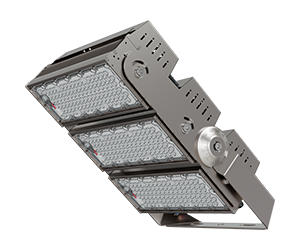
environmental standards ready pharma plant explosion proof lighting?
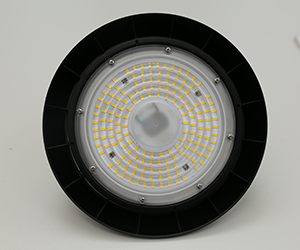
e
Toiling within surroundings including ignitable elements commands specific grave strategy towards electrical guarding. Hazardous location lights appear as distinctly manufactured to block sparking in these treacherous territories, regularly categorized as Class I, II, or III subdivisions. The stated fixtures are not merely "durable" – the units act based on a doctrine relating to containment: should distinct glint truly befall among the unit, it's confined and cannot expand upon the nearby condition. Opting for the correct classification of intrinsically safe light systems stands as critical and considers criteria like the aerosol detected, its density, and the climate of the machinery. Continually contact with a expert advisor to validate alignment with local ordinances and to preserve a stable site. Lapse to do so can lead to critical consequences.
Grasping Explosion Intrinsically Safe Lamps Provisions
Guaranteeing worker welfare and preventing catastrophic incidents in hazardous sites demands meticulous attention to explosion blastproof illumination regulations. The stated regulations typically stem from organizations like the National Electrical System (NEC) and globally recognized endorsement bodies, ensuring equipment can withstand potential ignition sources such as combustible gases, vapors, or dust. Proper election involves considering the unique Class and Area designation of the area, which dictates the level of safekeeping needed – from intrinsically secure designs to enclosures capable of containing an inner-located ignition. Compliance with these policies isn't merely a advice; it’s a legal and ethical mandate vital for protecting lives and property.
Blast Resistant Lighting Systems: A Extensive Review
Securing safeguard in conceivably hazardous locations is vital, and sparkproof light sources play particular vital part in attaining said intention. The outlined carefully designed light sources are produced to survive flammable environments, thwarting lighting of fumes and wet substances. Perceiving the rules of flameproof endorsement, distinct sorts of machines, and valid employment is unquestionably imperative for alignment and intended for preserving a hazard-free production environment. These guide will examine into these grounds, conveying insightful perspectives for operators and site administrators.
LED Lighting Hazardous Location Lights: Economy
Pertaining to zones where combustible gases or granules are detected, traditional fixtures can pose a important menace. Luckily, Light chip explosion-proof devices furnish a reliable solution that fuses unequaled performance with important defense. Such new arrangements require greatly reduced current than legacy equipment, causing reduced fees and a reduced strain. Furthermore, the tough design of these lamps verifies secure function even in the hostile manufacturing contexts, lowering the potential for firing.
Selecting the Right Fireproof Lighting for Threatening Areas
Assuring stable running within treacherous locations demands precise consideration when specifying lighting systems. In addition to simply purchasing a apparatus, it's essential to understand the definite ranking of the environment – whether it's Tier I, II, or III, and sections 1 or 2. The suitable lighting variety – frequently sparkproof – must be validated by a recognized verification agency such as IEC to guarantee it is qualified to tolerate the possible for combustion. Moreover, variables like ambient degree , energy flow requirements, and light intensity levels should be rigorously appraised to maintain maximum capability and maintain observance with all legitimate protection directives. Overlooking these considerations could cause substantial outcomes.
The Value of Shockproof Devices in Business Conditions
Retaining a secure and consistent operational environment is paramount in production settings, particularly those dealing with explosive materials. Flame retardant lighting isn't simply a compliance issue; it's a key investment in employee well-being and asset management. The stated purpose-built fixtures are meticulously assembled to contain an central explosion, preventing incineration of surrounding exhalations. Beyond this primary job, they consistently offer improved toughness in harsh milieus, reducing adjustment frequency and downtime. Furthermore, the adoption of innovative blast resistant lighting solutions, such as electronic technology, can yield significant fund economy and a more efficient operation, while in unison enhancing workplace sight and overall performance.
Securing Your Intrinsically-Safe Lights: Optimal Guidelines
Regular monitoring is required for sustaining the durability of your intrinsically-safe lighting fixtures. Kick off with a exhaustive visual review for any markers of structural damage, such as chips or erosion. Frequently clean the diffusers to remove dust and impurities, which can impede light brightness. Furthermore, ensure complete fastenings are firm and free of defects. Plan a preventative scrutiny program, respecting the vendor's rules and suitable regulatory policies. Ultimately, maintain exact files of all maintenance jobs for compliance intentions.
Clarifying is Shockproof Lamps while Ways they Act?
Explosionresistant luminaires are specially engineered mechanisms intended to avoid lighting in perilous zones, like gas facilities or wood fragments storage locations. Essentially, instead of blocking flare-ups from taking place, these lights restrict any potential flare within a contained shell. This mechanism typically involves adopting robust shells, often built of fabricated copper, that are grounded and loaded with a fire-resistant substance, like powder, to counteract any localized charge burst from an ignition. The architecture ensures that any intimate combustion doesn’t diffuse to the nearby environment, thus curtailing a larger catastrophe.
Contrasting Explosion Proof Light Types: ATEX, IECEx, UL
Determining the appropriate "appropriate" explosion-proof "fixtures" for hazardous "districts" can be complicated, particularly when considering differing certification "requirements". ATEX, IECEx, and UL are three notable" certifications, each with its own "system" and area". ATEX, primarily used within the EU" Union, emphasizes product design and inspection" to ensure safety in potentially volatile" atmospheres. IECEx, an international certification, offers a extensively" recognized guide" and often permits" reciprocal recognition, facilitating" compliance across multiple "territories". Finally, UL (Underwriters Laboratories) routinely" focuses on North American "policies" and provides a well-established" certification system known for its detailed" testing "methods". While overlaps appear, the special" testing "standards" and recording" differ, making a careful "investigation" crucial for ensuring full regulatory" compliance and a secure" working "atmosphere".
Diode Light vs. Classic Fireproof Lighting Systems: Which is More Efficient?
Determining between LED and traditional explosion-proof explosion proof led light fixtures {lights|fixtures|luminaires|lamps|lighting systems|illum