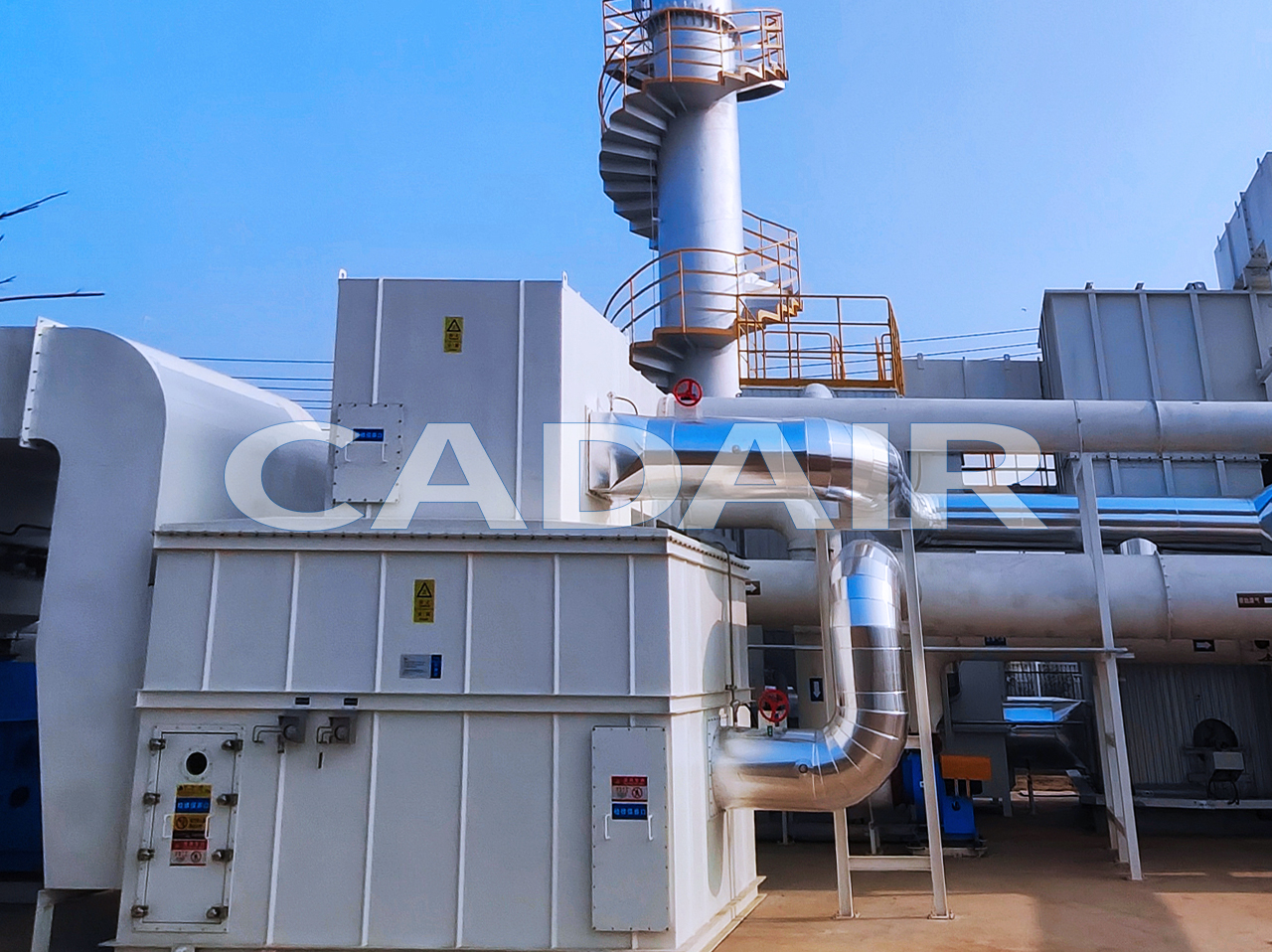
high return premium zeolite rotor based air treatment systems?
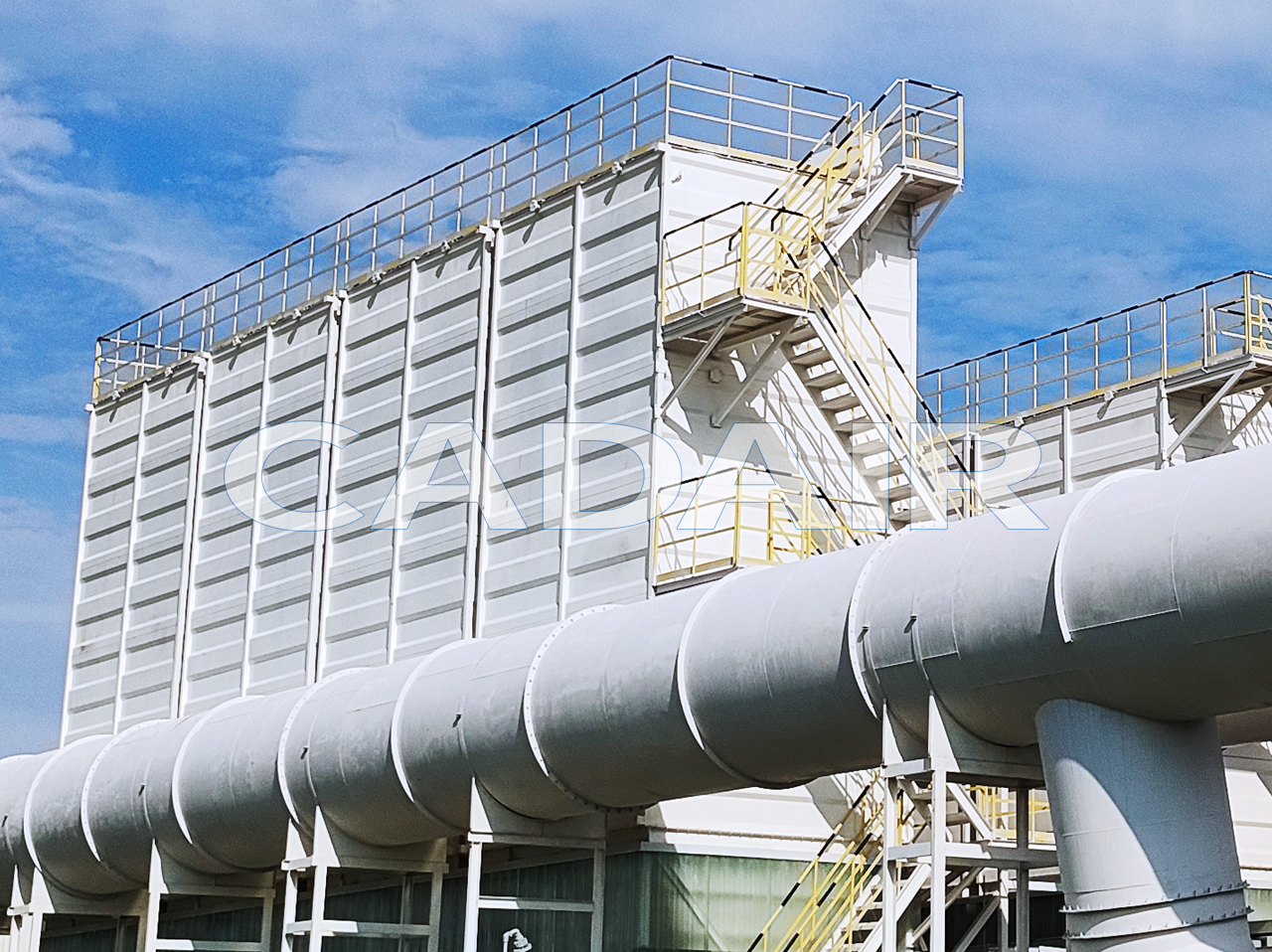
Launching
Volatile organic chemicals endanger health (Compounds) posing risks to living organisms and habitat. Common extraction processes employ significant electrical input and produce toxic residues. Zeolite spin systems bring renewable methods, enabling superior VOC seizure within airflow streams. Such items contain broad exposed faces and rare openings advocating remarkable VOC retention.
- Furthermore, zeolite cyclic units recycle, curtailing ecosystem disruption and investments.
- As a result, zeolite turntable technology spreads in several manufacturing domains, including worksite pollutant supervision, indoor ambient treatment, and fluid waste management.
Adoption of zeolite rotors marks a key shift in support of green VOC extraction, providing green and fiscal advantages.
Regenerative Heating Oxidizers: Effective Air Processing
Thermal recovery oxidizers offer leading air cleaning methods. These systems apply thermal oxidative methods of fouled vapors at elevated heat levels, deeply eliminating toxicants into nonhazardous results. Reused thermal energy lowers expenses. They specialize in eliminating gaseous compounds, aerosols, and noxious substances. They find roles across diverse manufacturing, medical, and effluent treatment fields.Perks comprise cleared air, eco-friendliness, and budget efficiency. Moreover, small footprint and easy servicing render them viable.
Advanced Catalytic Oxidation: Emissions Minimization Techniques
Commercial undertakings produce injurious exhaust. Catalytic reaction technologies diminish pollution effects. Catalysts convert harmful substances into less toxic byproducts. They foster efficient chemical breakdowns while minimizing energy drain.
Multiple catalyst variants serve distinct functions, including enhanced elements like nickel and cobalt. Catalyst choice is essential for optimizing elimination rates. Reactor structure ensures thorough pollutant-catalyst interactions to enhance degradation process.
Catalyst-based units prevail over basic techniques by discrimination. They filter selective molecules conserving overall mixtures. Supplementarily, they deliver results under mild warmth enhancing efficiency. Continued catalyst R&D advances emission control facilitating cleaner processes and healthier environments.
Optimizing Regenerative Catalytic Oxidizer Output
Obtaining greatest efficiency needs detailed oversight. Electing right catalytic compounds counts. Refining operational metrics such as temperature point and retention period advances results. Auditing and examination procedures maintain functionality. Regular servicing and check-ups preserve reliability of the system and utilization.
Zeolite Impact on RTO Efficiency
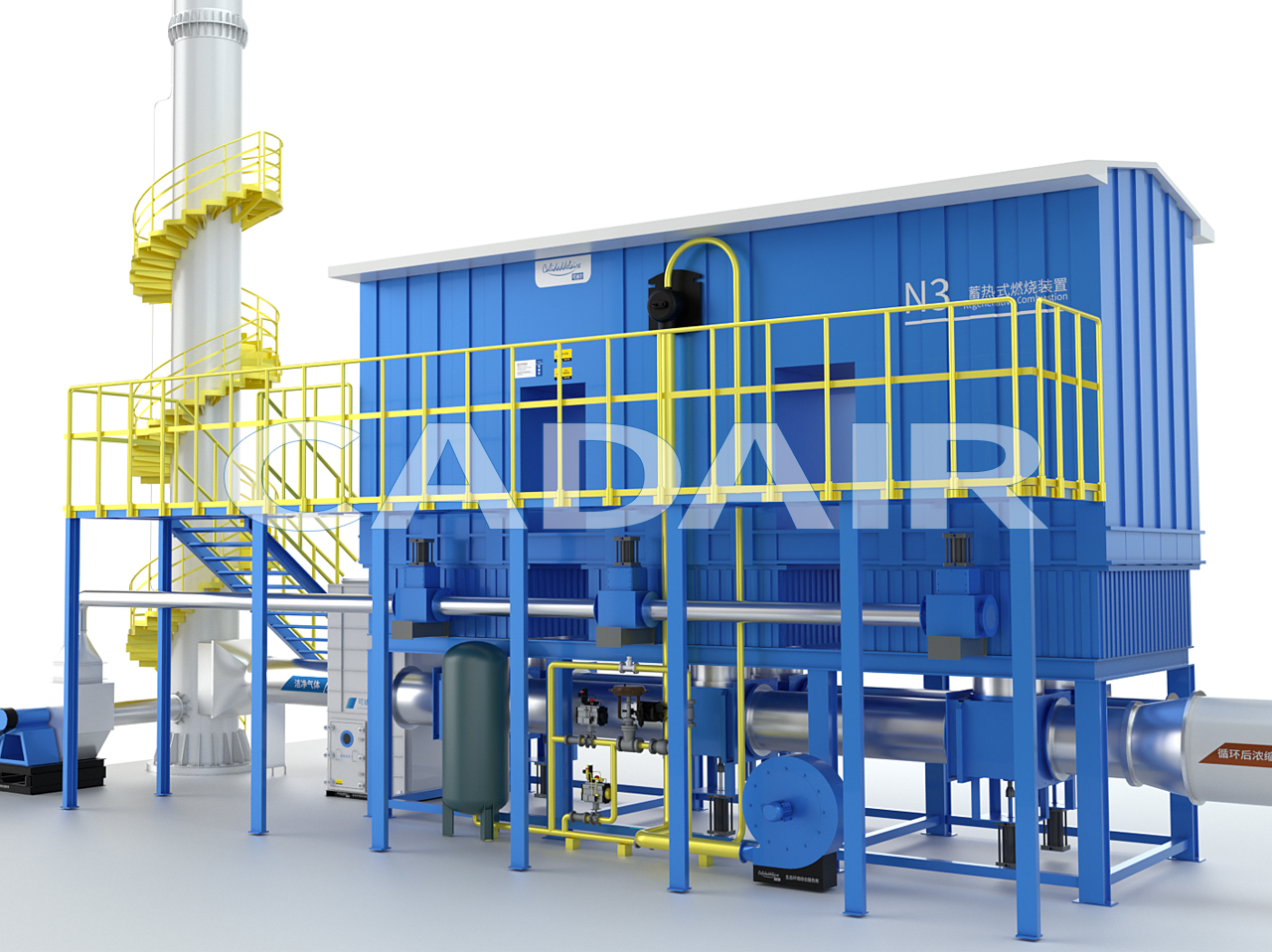
Thermal oxidation technologies function primarily curtailing VOC emissions. Zeolites serve as key components thanks to unique adsorption and catalytic features. Distinct VOC capture facilitates thorough oxidation. Complementarily, zeolite catalysts enable faster breakdown lowering operational energy and increasing yield.
- Thus, zeolite inclusion in RTOs upgrades VOC elimination, energy savings, and ecology.
Reviewing Synthetic Zeolites Compared to Established Catalysts
New catalytic technology progress encouraged analytical comparisons of synthetically created zeolites evaluated against usual catalysts. The analysis studies catalyst function, targetability, thermal stability, and pricing. Ultimately assessing zeolite efficacy in completing VOC oxidation in RTOs. These insights foster improved and sustainable air quality management.
- Open-pored zeolitic substances with significant areas exhibit catalytic potential.
- Classic catalyst types predominantly oxide compounds suffer limits in performance and focus.
Moreover, research explores heat levels, retention periods, and feed ratios influencing zeolite and conventional catalysts. This comprehensive scrutiny aids better catalytic system management balancing VOC elimination and power demand.
Simulation Techniques for RCO Performance
Innovative catalytic oxidation equipment dfto manufacturer symbolize complex assemblies detoxifying gas flows. These units harness catalytic processes to decompose toxicants producing heat as outcome. Their complexity enforces sound modeling techniques assisting configuration and refinement. Modeling techniques help anticipate major functional indices throughout various operational states. Furthermore, these simulations uncover bottlenecks and direct improvements producing enhanced regenerative catalytic oxidizers.Evaluating Thermal and Catalytic Oxidation: Picking Proper Methods
Opting for fitting oxidation techniques requires careful assessment. Thermal and catalyst-operated oxidation manifest varied positive and negative traits. Thermal oxidative processes utilize raised temperatures initiating reactions. Catalyst-based oxidation catalyzes transformations at temperate warmth. Decision changes by operational results, affordability, and substrate conditions.
- Heat oxidation frequently achieves superior breakdown but uses more power
- Catalytic oxidation functions under softer warmth lowering price and atmospheric discharge
Deep process insight aids identifying best oxidation methods. Relying on knowledgeable advisers enriches decision-making combining effectiveness and resource responsibility.
Zeolite Rotor Technology for Emission Control
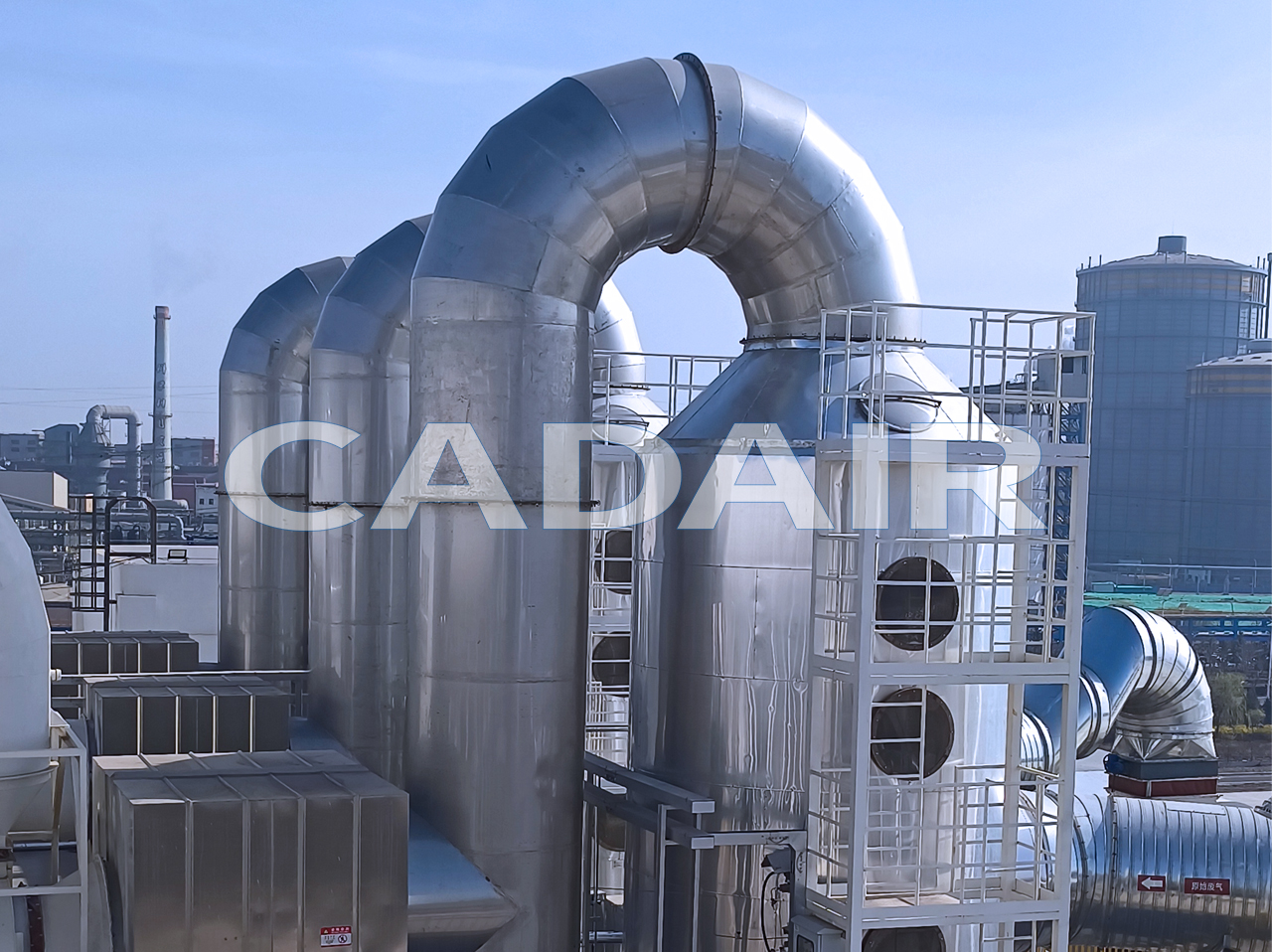
Zeolite rotor methodologies reveal promise for emission mitigation across industrial and automotive markets. Made up of crystalline porous zeolites, such rotors capture harmful chemicals via physical, chemical, or electrostatic processes. Rotation mechanism provides seamless and powerful air purification. Several zeolite mixes design for capturing pollutants such as CO, NOx, and organic volatiles, making this technology configurable, pliable, and broad-spectrum for wide-ranging environmental challenges.
- Besides, zeolite rotor technology provides advantages unmatched by traditional emission control methods, including:
- Cut energy expenditure.
- Modular structure.
- Exceptional purification rates.
Ongoing research and development projects continue advancing zeolite rotor technology, promising sustainable improvements across industries.
Verified Applications of Regenerative Oxidizers
Across the advancing oxidizing segment, regenerative oxidizers emerge as formidable and successful options. Their talent in recycling harmful emissions into valuable commodities receives notable acclaim.
- One significant case features regenerative oxidation cutting huge contamination at an industrial chemicals facility achieving great contamination decrease and demonstrating environmental benefit potential.
- Further example captures regenerative oxidizers employed in power plants converting biomass into energy enabling efficient and environment-friendly production of fuel from agricultural residues offering eco-conscious substitute for petrol sources.
These case reports showcase regenerative oxidizer adaptability and reliable function across industries. Continuous exploration promises revolutionary usage expansions for this promising technology in upcoming years.
Transforming Air Management: Zeolites and Regenerative Innovations
Amid growing global air pollution concerns, urgent, innovative approaches are needed. Groundbreaking efforts emphasize zeolite-based regenerative system harmonization. Lauded for notable capture and flexible pores, zeolites offer potent gas cleansing. Combined with reusable frameworks, they facilitate ongoing pollutant extraction and recycling reducing refuse and enhancing green impact. These integrated technologies deliver effective remedies managing broad pollution concerns spanning manufacturing releases, vehicle outflows, and interior environment. Plus, sustained research improves zeolite matrices and regenerative algorithms, supporting more capable and versatile purification apparatuses.
- Advanced Zeolite Patterns
- Resource-Efficient System Upgrading
- Future Impact on Air Quality Control