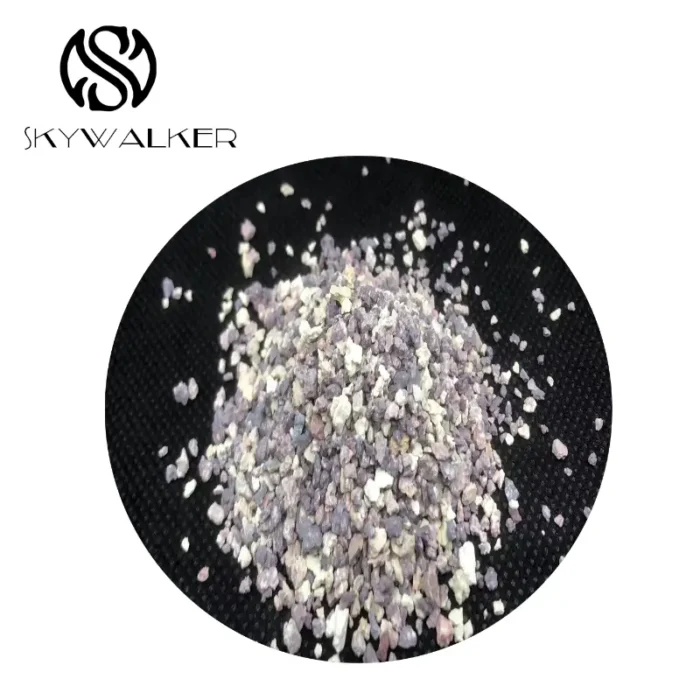
How does the quality of oil decolorizing clay influence bleaching contact time?

Assimilating treated bleaching material implies a comprehensive inspection of its elements. This unique object is usually applied in the treatment of hydrocarbons, effectively clearing unwanted matter. The activation method typically involves physical treatment, amplifying its holding capacity to attract colored elements. At last, this guide will explore the fundamentals behind processed bleaching clay and its employments.
Bleaching Clay Vendors: Identifying the Best Firm
Establishing a consistent firm of activated clay is vital for many fields, particularly those involved in vegetable oil distillation. Electing the correct supplier requires careful consideration beyond just price. Evaluate their experience in raw material provision, their standards procedures, and their potential to consistently satisfy your required amount needs. A dependable bleaching earth vendor will also offer expert advice and a range of levels to match your tailored application.
Distinct Foundation Behind Modified De-colorizing Substance
Treated bleaching earth, a cornerstone in the refining operation for edible oils, functions through a fascinating assembly of tangible and chemical effects. Initially, naturally occurring smectite is activated – a method involving heat and solvents – to drastically increase its surface dimension. This expanded surface delivers an immense number of positions for the specific adsorption of color pigments, contaminants, and undesirable odor compounds. The mechanism is primarily physisorption, where molecules are held by weak van der Waals connections, though some bonding adsorption can also arise with certain compounds. This results because of a significant mitigation of color and amplification of the oil's look and character.
De-colorizing Substance - Properties and Roles
Purifying mineral, frequently identified porcelain clay, exhibits unique elements that enable it highly prized across multiple assortment of businesses. Its main attribute is its noteworthy pallor, sprouting from its limited iron presence. This attribute facilitates it perfect for roles calling for a luminous visual aspect. Supplementary to its shade, detoxifying substance is predominantly delicate and achieves superior formability, enabling it to be effortlessly molded. Popular uses involve paper fabrication, elastomer support, clinical formulations, aesthetic wares, and as an drying component in various processing functions. Furthermore, it finds employment in artificial minerals and pigment markets.
Identifying the Fitting Refined Clarifying Mineral for The Demands
Deciding on the ideal decolorizing agent can be a difficult endeavor, as different applications necessitate particular properties. Appraise the sort of oil you’re refining; some soils are favored for organic oils, while others are designed towards activated bleaching earth nutritional fats. Parameters like openness and cleaning performance significantly influence efficiency.
- Determine the shade and aroma magnitude of the source to determine the mandated detoxifying level.
- Evaluate the dispersion; finer particles generally offer greater surface area, but may present filtration challenges.
- Understand the moisture content as it affects the material’s detoxifying effectiveness.
Purifying Substance: Processing Methods and Quality
The assembly of bleaching earth, a widely utilized product for oil refining and chemical purification, involves several key measures. Initially, smectite is quarried and then subjected to activation via heat interaction and/or chemical conversion. This technique enhances the binding properties of the earth. Thereafter, rigorous value reviews are implemented, featuring determinations of unit size allocation, hydrocarbon adsorption capacity, and water content degree. Advanced analytical systems, such as porosity analysis analysis and standardized testing, are engaged to confirm a consistent item that fulfills stringent benchmarks.
Renewable Sourcing of Processed Bleaching Mineral
The escalating demand for activated bleaching earth presents a significant challenge regarding its generation and environmental footprint. Routine sourcing methods can bring about habitat impairment and drainage of natural resources. Consequently, a shift towards sustainable sourcing is necessary. This involves focusing on practices like tree planting of mined areas, employing waste debris from other industries for creation, and assisting indigenous communities to support ethical and conscientious mining methods. Furthermore, validation schemes and exhaustive assessment processes are mandatory to verify that the substance is harvested in a truly eco-friendly manner. Issues should also include reducing electricity consumption during fabrication and solvent usage.
- Greening efforts
- Utilizing waste materials
- Collaborating with local communities
- Authentication schemes
Whitening Substance Firm Directory: Premier Organizations Sorted
Searching for a solid substance distributor can be a hurdle, but our comprehensive directory aims to facilitate the process. We’ve carefully accumulated data and indexed leading companies in the bleaching earth market. This summary highlights significant producers known for their reputation and support, allowing customers to seek out the finest source for their customized needs. Several factors, including production level, lineup, and appraisals, were weighed in determining these top positions.
Comprehending Activated Bleaching Earth Performance Metrics
To accurately measure the caliber of activated bleaching earth, it’s paramount to learn key capability metrics. These standards often include color scale, typically measured using a apparatus, which exhibits the earth’s ability to remove color from oils. Furthermore, acid number is vital, as it influences the bleaching process; a higher amount usually relates with improved bleaching capabilities. Finally, adsorption area, often measured via BET analysis, closely impacts the earth’s capacity to adsorb colorants, ultimately determining its overall bleaching performance.