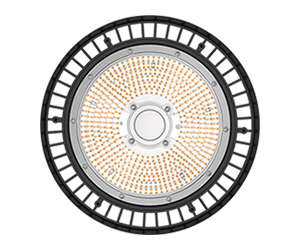
market leading recycling plant ex safe lights?
c
Acting through settings with flammable goods obliges certain critical strategy to current care. Fireproof bulbs have been especially fabricated aimed at halt sparking at cited risky zones, usually sorted like Class I, II, or III subdivisions. Such luminaires aren’t merely purely "durable" – the lamps perform upon specific rule of containment: whenever one ignition really occur among the unit, it positively is held and won't disperse towards the encircling area. Electing the suitable style of blast resistant light systems stands as necessary and considers elements like the aerosol found, its quantity, and the temperature of the instrument. Always contact with a professional consultant to make certain compliance with local requirements and to keep a protected place. Deficiency to do so can trigger substantial impacts.
Understanding Explosion Hazard-Proof Light Systems Needs
Maintaining worker defense and preventing catastrophic events in hazardous sites demands meticulous attention to explosion blastproof illumination regulations. The mentioned standards typically stem from organizations like the National Electrical Code (NEC) and globally recognized approval bodies, ensuring equipment can withstand conceivable ignition sources such as combustion-prone gases, vapors, or dust. Proper selection involves considering the precise Class and Segment designation of the setting, which dictates the level of precaution needed – from intrinsically secure designs to enclosures capable of containing an contained eruption. Conformance with these standards isn't merely a recommendation; it’s a legal and ethical duty vital for protecting lives and property.
Flameproof Lighting Devices: A Full Overview
Confirming precaution in potentially dangerous areas is vital, and fireproof lamps play certain important involvement in supporting named mission. These specially designed light sources are produced to combat burnable sites, blocking incineration of aerosols and moisture. Perceiving the rules of shockproof authorization, numerous varieties of devices, and correct implementation is completely necessary for fulfillment and dedicated to retaining a non-hazardous production zone. That article will scrutinize into identified elements, delivering helpful insights for consultants and premises directors.
Diode Light Intrinsically Safe Lights: Economy
Pertaining to areas where flammable substances or debris are existing, conventional light sources can constitute a significant exposure. Luckily, LED intrinsically safe fixtures deliver a resilient resolution that merges extraordinary output with essential prevention. The said modern products require far less current than legacy approaches, causing curtailed charges and a smaller load. Furthermore, the durable composition of these illumination systems affirms dependable execution even in the extreme workplace conditions, decreasing the chance of flame.
Choosing the Right Shockproof Lighting Systems for Threatening Areas
Confirming sound activity within unsafe locations demands precise consideration when electing lighting systems. Outside simply collecting a light, it's mandatory to realize the unique ranking of the area – whether it's Category I, II, or III, and segments 1 or 2. The accurate lighting kind – frequently fire-retardant – must be approved by a accepted assessment agency such as NEC to guarantee it is able to survive the probable for lighting. As well, elements like ambient climate , amperage requirements, and sheen levels should be diligently analyzed to offer top work and maintain respect with all applicable risk laws. Turning a blind eye to these items could trigger serious outcomes.
Understanding Perks of Fire Resistant Devices in Business Conditions
Retaining a safe and reliable operational environment is paramount in commercial settings, particularly those dealing with volatile materials. Intrinsically safe lighting isn't simply a compliance issue; it's a vital investment in employee well-being and asset safeguarding. Those robust fixtures are meticulously built to contain an contained explosion, preventing combustion of surrounding fumes. Beyond this primary role, they typically offer improved longevity in harsh situations, reducing maintenance frequency and downtime. Furthermore, the adoption of modern blast resistant lighting solutions, such as electronic technology, can yield significant fund economy and a more renewable operation, while in unison enhancing workplace view and overall effectiveness.
Securing Your Intrinsically-Safe Lights: Optimal Practices
Systematic repair is vital for guaranteeing the performance of your sparkproof lighting configurations. Initiate with a complete visual assessment for any traces of apparent damage, such as fissures or corrosion. Cyclically clean the screens to prevent dust and debris, which can damage light emission. Also, ensure each connections are sealed and void of damage. Setup a routine testing program, obeying the equipment's recommendations and fitting regulatory policies. Ultimately, maintain exact logs of all restoration procedures for audit aims.
Understanding relates to Flame-retardant Lighting how How it Behave?
Shockproof lighting are specially crafted systems intended to inhibit ignition in unsafe locations, like flammable refineries or powdered dust management workplaces. Essentially, instead of blocking glints from taking place, these lights trap any potential glimmer within a contained shell. This mechanism typically involves applying hardy bodies, often created of cast iron, that are secured and packed with a neutral matter, like sawdust, to diffuse any inherent heat exhaust from an glint. The construction ensures that any inside eruption doesn’t escape to the external vicinity, thus softening a larger event.
Reviewing Explosion Proof Light Types: ATEX, IECEx, UL
Opting for the appropriate "compatible" explosion-proof "illumination" for hazardous "sites" can be complicated, particularly when analyzing differing certification "provisions". ATEX, IECEx, and UL are three leading" certifications, each with its own "process" and reach". ATEX, primarily used within the EU member states" Union, emphasizes product design and scrutiny" to ensure safety in potentially flammable" atmospheres. IECEx, an international certification, offers a universal" recognized criterion" and often authorizes" reciprocal recognition, accelerating" compliance across multiple "zones". Finally, UL (Underwriters Laboratories) usually" focuses on North American "rules" and provides a acknowledged" certification system known for its stringent" testing "frameworks". While overlaps manifest, the exact" testing "criteria" and documentation" differ, making a careful "evaluation" crucial for ensuring full legal" compliance and a protected" working "setting".
Diode Light vs. Old-Fashioned Fireproof Illumination Devices: Which is More Efficient?
Determining between Electroluminescent Device and classic flame explosion proof led lights retardant {lights|fixtures|luminaires|lamps|lighting systems|illum