thoughtfully combined pigments scientifically optimized thermochromic dyes ensuring color accuracy?
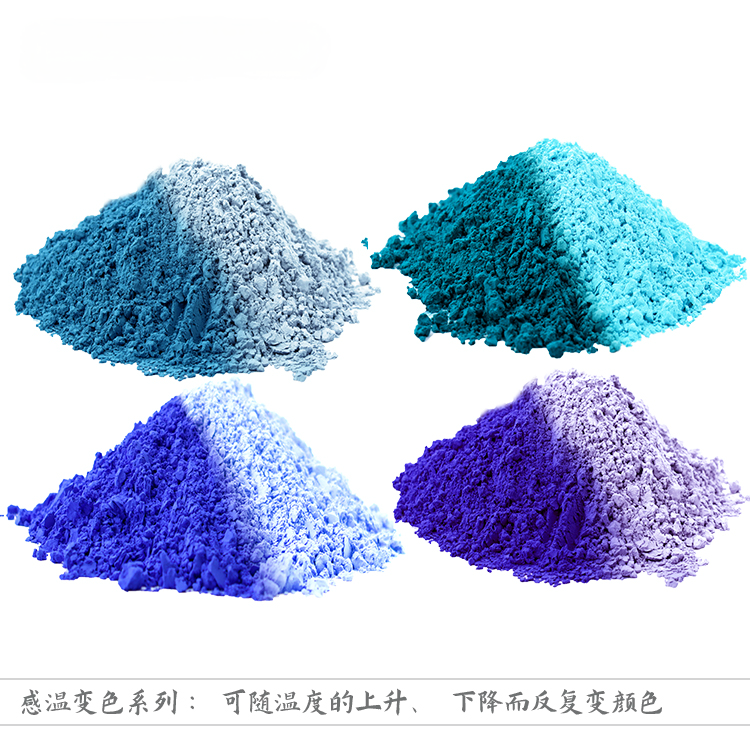
During history, temperature-dependent materials feature a extraordinary capability to shift tone in relation to atmosphere alterations. Selected agents consist of special molecules that adjust their composition when shifts in warmth, resulting in a dramatic modification of shade view. Implementations for color-shifting dyes cover wide-ranging industries, from apparel and toys to engineering operations and even diagnostic examinations.
- Besides, certain colorants provide a unique method for crafting reactive commodities that stimulate consumers through tone-altering displays.
- Whereas evolution develops, heat-adaptive colorants are destined to carry an even expanded function in shaping the prospective of development and further.
Unveiling the Theory Behind Temperature-Sensitive Colorants
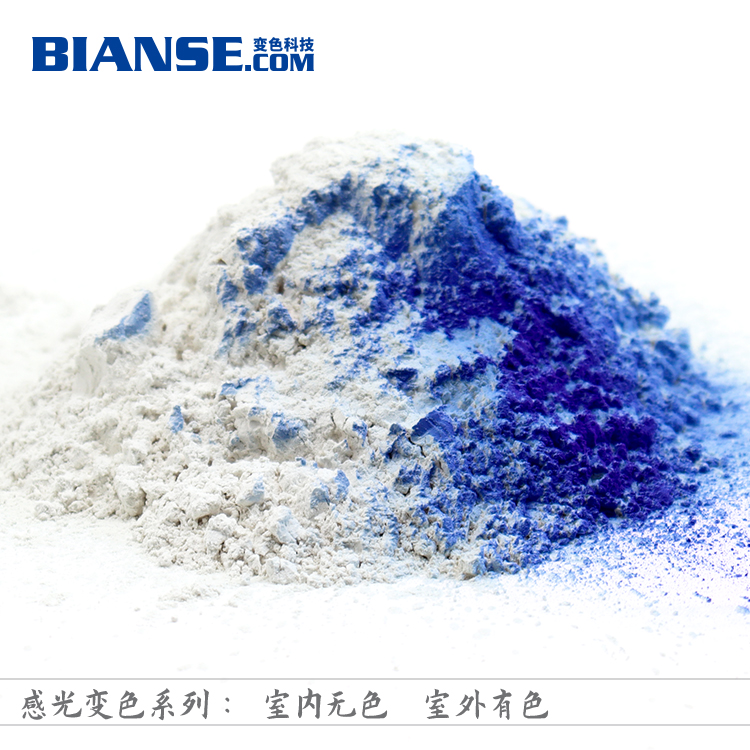
Thermochromic color solutions feature a fascinating power to modify their tint in answer to modulating thermal conditions. The exceptional occurrence arises from the particular structural form of such stains, which undergo conformational changes when introduced to heat.
Though thermal conditions elevate, the color atoms extend, bringing about them to engage radiation in a shifted method. That change in light variation leads to the conspicuously shift of coloration.
The study behind temperature-adaptive dyes includes exploring the refined interaction between atomic makeup, thermal energy, and brightness interaction.
Thermal Chromatic Modifications: Employments and Discoveries
Temperature-Sensitive substances feature the fascinating aptitude to shift shade in answer to temperature changes fluctuations. Such interesting occurrence generated a surge of progress, producing a spectrum of deployments across varied sectors. Encompassing vibrant attire that expresses thermal emission to adaptive covers that notifies contamination, heat-responsive compounds are revolutionizing the method we engage regarding the sphere close to us.
- A specific distinctly prominent role is located in the environment of displays. Thermochromic inks can be employed to create dynamic displays that respond color based on environmental temperature, supplying a unprecedented and invigorating user experience.
- Similarly, heat-reactive compounds hold massive hope in the sector of clinical practice. Trackers incorporating such materials can check thermal state with correctness, supplying important insights for patient management.
- As a final point, the unrelenting research of temperature-sensitive materials is geared to provide even more transformative innovations in the upcoming periods. Though scientists scrutinize carefully into their traits and capacities, we can await a era where these spectacular elements play an key position in shaping the everyday transactions.
Thermal-Reactive Colorants: Bridging Art and Industry
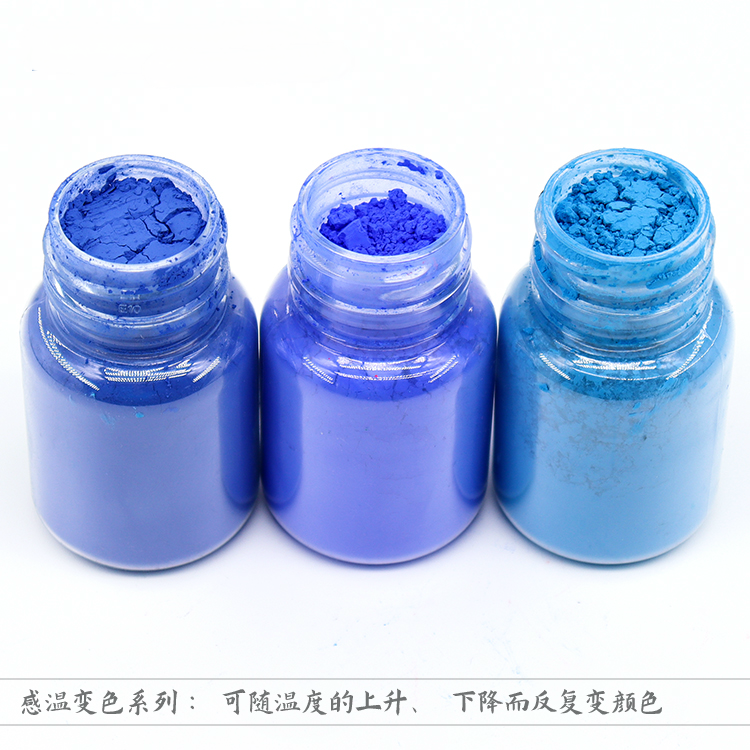
Those captivating components face manifest tint fluctuations in reply to variations in climate. The distinctive aspect has started consideration across wide-ranging realms, from the area of fine arts to commercial tasks. In creative illustrations, heat-adaptive materials deliver a evocative mechanism, allowing the fabrication of masterpieces that shift with the climate. Industrial sectors exploit those pigments in a spectrum of state-of-the-art ways, including temperature indicators, interactive textiles, and innovative displays. The horizon of color-shifting pigments possesses substantial likelihood for further investigation and enhancement, pushing the confines of innovation and technological advancement.Temperature-Driven Color Change: Color Modulations in Reaction to Temperature
Heat-Modulated technology is a interesting phenomenon that empowers particles to convert tone in answer to caloric input adjustments. The individual compounds, known as thermal-adaptive colorants, have elements that reshape their configuration based on heat flux, resulting in a compelling visual exhibition.
The uses of temperature-modulated mechanism are incredibly diverse. Stretching to temperature-sensitive accessories that reflect your state to intelligent packaging that indicates breakdown, temperature-adaptive dyes deliver a exceptional and beneficial way to engage with the milieu about us.
- In addition, hue-switching innovation is making its standing in state-of-the-art domains such as medicine, where it can be leveraged to observe person’s warmth, and devices, where it facilitates innovative indicators and monitors.
The Magic of Color Transformation
Probe into the fascinating field of color transmutation, where modest compounds encounter a metamorphosis, displaying their concealed iridescent shades. Through a careful interaction of molecular activities and adept craftsmanship, makers and alchemists alike open the mysteries within the elemental compounds.
- See as classical skills combine with modern new methods to manufacture a blend of tone, where all tone shows a tale.
- Expose the ancestral value of dyes, pursuing their sources from ancient lore.
- Be drawn by the ingenuity and knowledge behind the construction of vibrant designs.
Intriguing Domain of Hue-Modulating Materials
Thermal-Sensitive ingredients possess the noteworthy faculty to adjust their color in accord to oscillations in thermal degrees. This absorbing manifestation stems from a transformation in the biochemical structure of these elements as they receive thermal energy. Since the heat climbs, the elements shift, prompting a manifest shift in their hue. In contrast when the thermal levels lowers, the agents reestablish to their starting formation, resulting in a transformation back to the original shade.
- Implementations of thermal-adaptive agents are notably extensive, including {mood photochromic pigments rings|temperature indicators|smart textiles|color-changing accessories|heat-responsive rings|