Will showing making‑of footage change how buyers value a Yixing Teapot?
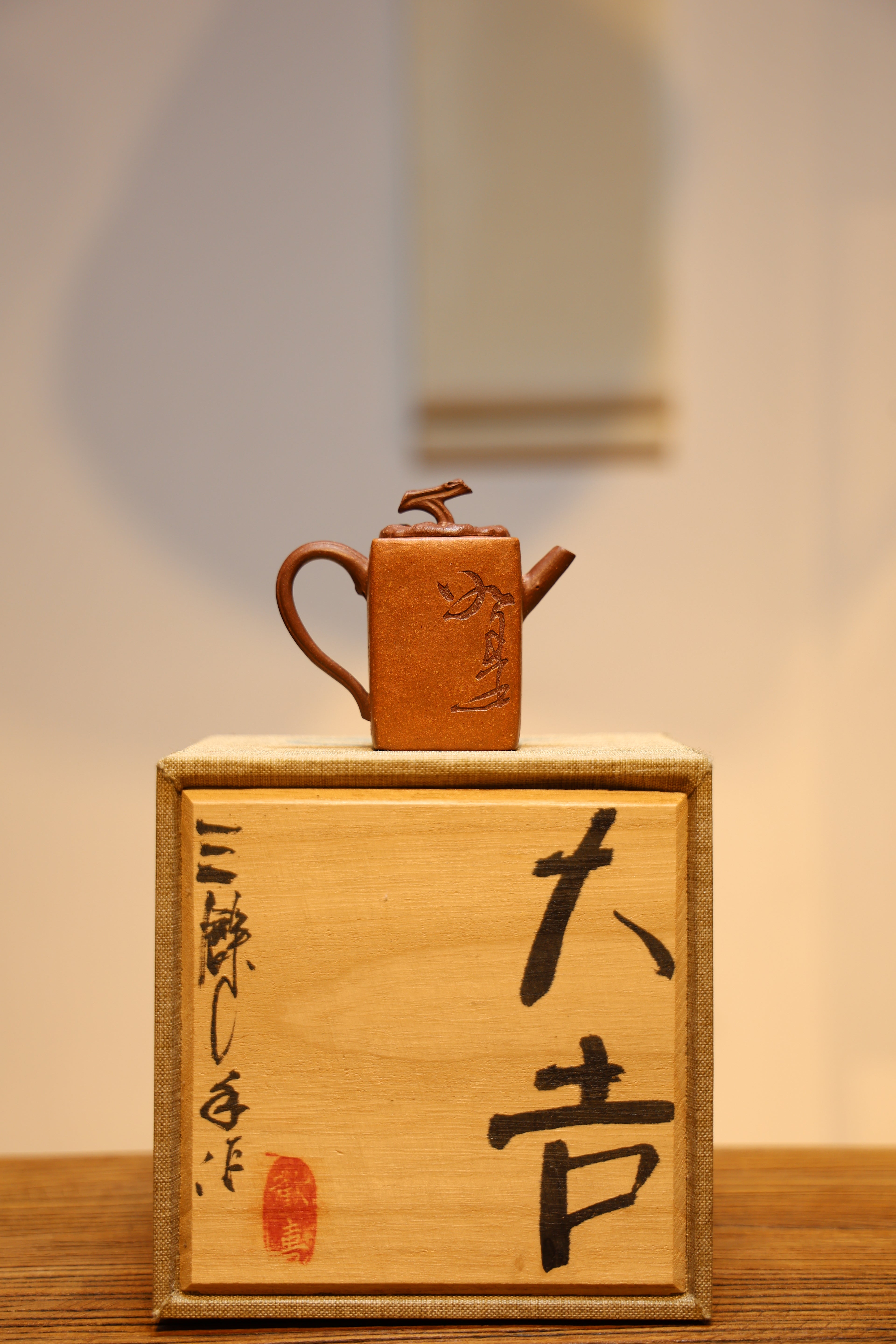
Ages in fans have long cherished the uncommon enchantment of Yixing Zisha flasks. Born in the tranquil town of Yixing, China, these jars are shaped from a singular and harvested purple clay esteemed for its superior thermal features and capacity to refine the note of liquids. More than their practical significance, Zisha teapots illustrate a vast historical heritage, fashioning them greatly collectible and a genuine wonder for any devoted teapot lover.
Surveying Yixing Containers
Such teapots embody a singular mixture of history and artisan craftsmanship. Existing in Yixing, Jiangsu District of China, their narrative dates back the Ming Dynasty, although signs suggest earlier iterations. The rare maroon clay, called Zisha, found solely in the Yixing region, is the principal component, contributing to the pots' outstanding heat retention and the manner they shape the flavor of tea. Continuums of potters have honed techniques—often bequeathed through families—including coiling the clay, applying detailed embellishments, and firing the pots at regulated temperatures.- Traditionally, Yixing teapots were often furnished with simple designs.
- Subsequently, more detailed carvings and pictorial motifs became prevalent.
- The firing process itself is a key element, requiring prolonged intervals of experience.
Amassing Zisha Teapots: Key Insights
Beginning a campaign to acquire Zisha kettles can be rewarding, but it’s vital to discern what to look for. Authenticity is essential; focus on the potter’s natural tint, a understated reddish-brown is usual. Examine the touch; genuine Zisha has a remarkable tactile sensation, often defined as slightly rugged. The profile should be balanced and consistent with authentic styles, while labels, if present, require thorough examination for reliability. Don’t postpone to consult with experienced dealers or reliable databases – their awareness is precious.
Traditional Pitchers: Researching the Tradition of the Yixing Purple Earth
Generations have seen Yixing Ming Clay teapots preserve a special role in Chinese tradition. These carefully constructed pots, sourced specifically from the region of Yixing, are renowned for their recognizable tone, surface, and their ability to develop the bouquet of decoctions. Scores of collectors collect antique Yixing teapots, coveting them extensively not only for their aesthetic charm, but also for the history they represent.
Yixing Zisha Teapots: Such Ultimate Selections and Their Aspects
Ming Clay teapots, native to the celebrated zone of Yixing, the realm, are esteemed for their exceptional clay and excellent brewing functions. Within the various Zisha types, prominent sorts that are highly coveted include Tianqing. Binzhou, known for its rich purple shade and fine texture, delivers a mild flavor. Duan Ni Zisha, recognizable by its mahogany color and moderately grainy feel, is considered to enhance tea’s body. Lastly, Zhuni form boasts an unique ruby tone and can lend a nice nuance. Each sort delivers a different experience, facilitating them distinctly desirable within drink enthusiasts.
Mastering Unique Earthenware Kettle
To reveal the power of your Yixing kettle, appreciating the correct way is vital. These clay receptacles, celebrated for their passability, will steadily absorb the soul of the tea you steep within them. Begin by scraping the pot thoroughly with hot water. Then, use only first-class full leaf tea, as lower quality options can spoil the premise’s delicate taste. Always enable the leaves to unfurl completely, and remember that with each application, your Yixing pot will become perpetually distinct.
Protecting Your Invaluable Zisha Treasure
Proper upkeep for your Zisha teapot is crucial to maintaining its durability and value. Zisha clay, acclaimed for its unique coloration and grain, requires gentle handling. Never use caustic substances, as these can injure the film. After every infusion, rinse the pitcher with warm water and allow it to evaporate completely.
- Resist soaking the vessel for extended phases.
- Sporadically use a soft rag to maintain the exterior.
- Think about applying a thin layer of food-grade grease inside the jar after drying, which can reduce staining.
A Beginner's Guide to Yixing Earthenware
Yixing kettles, originating from the Yixing region in Jiangsu Province, part of China, are celebrated for their distinctive peculiarities. Made from the unique purple ground known as Zisha, these earthenware are prized by concoction enthusiasts worldwide. This introduction will concisely explain the pillars – covering brands of Zisha earth, frequent shapes, and critical care helpful hints. Understanding the history of Yixing vessels can broaden your appreciation for this revered example of Han culture.
Art of Zhongguo Containers: Examining Zisha deriving from Yixing
Zisha ware from the Yixing area represents the summit of Han kettle design, projecting a exceptional concoction of natural beauty and functional artistry. These remarkable pieces are recognized for their vibrant hues, often covering rich purples and auburn hues to muted greys and soft beiges. The distinctive mineral composition of the native Zisha material imparts a defining texture and yields a satisfying aroma that elevates the total brew experience, rendering them very sought-after collectibles and essential components of any serious tradition.